

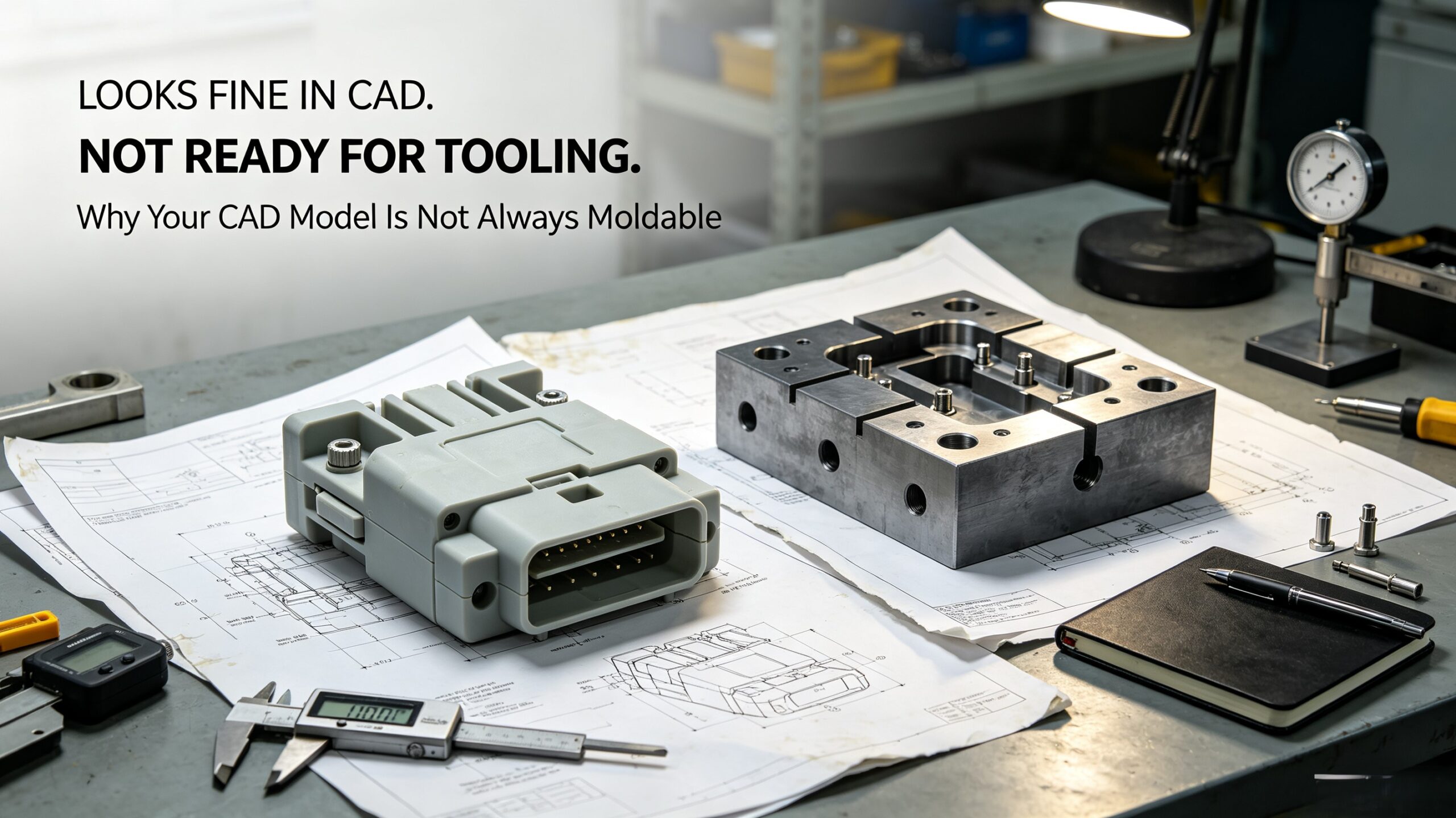
Your CAD Model Looks Perfect. So Why Can’t We Build the Mold?
Why Your CAD Model Looks Fine but Is Not Moldable A CAD model can look completely finished. The geometry is clean. The surfaces are continuous. The assembly works. The product looks exactly the way the designer intended. Then the tooling engineer opens the file and starts asking questions: Where is the parting line? How will
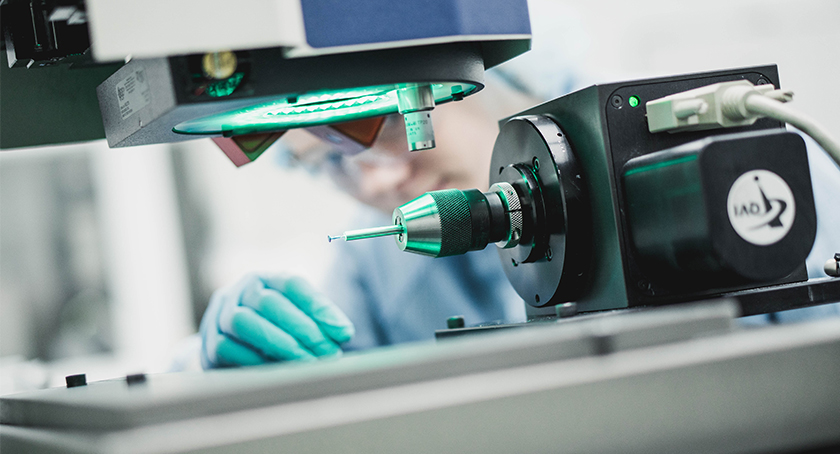
A Medical Plastic Part Can Be Dimensionally Perfect and Still Fail.
Why is dimensional accuracy not enough for medical plastic components? Explore material, surface quality, flash, weld lines, cleanliness, validation and process consistency.
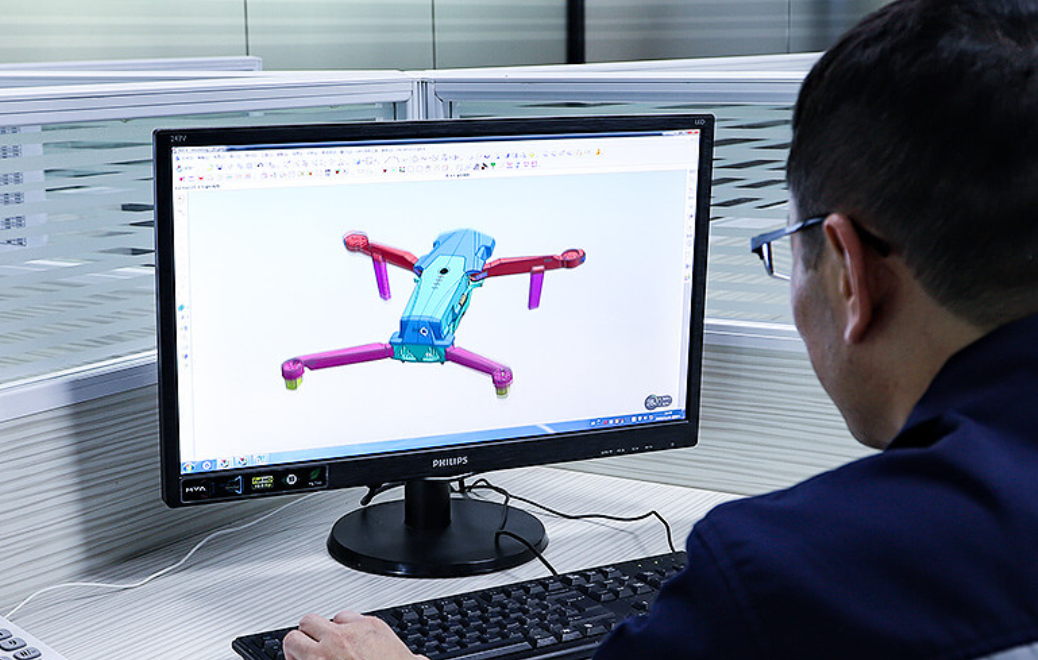
Most NPD Problems Start Before the First Tool Is Built
The 10 Engineering Decisions That Can Make or Break an NPD Project A new product development project often looks straightforward on paper: Concept → CAD → Prototype → Tooling → Validation → Mass Production But in real manufacturing, problems rarely follow such a neat sequence. A dimensional problem discovered during T1 may have started with
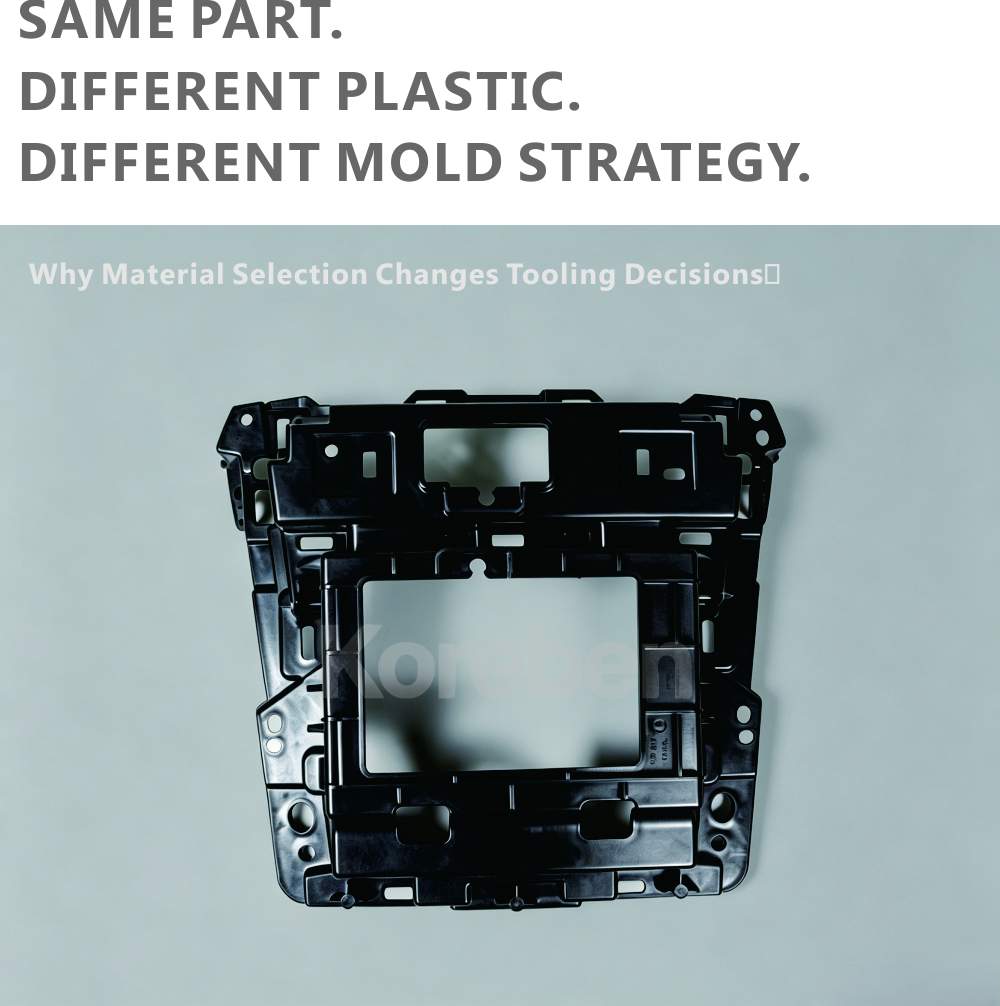
Same Part. Different Plastic. Completely Different Mold.
Why Different Plastics Require Different Mold Strategies Imagine an automotive electronic housing. The geometry is fixed. The dimensions are fixed. The assembly requirements are fixed. Now change only the material. For example, replace PC/ABS with PA66 GF30. The part still looks the same on the CAD screen. But from a mold engineer’s perspective, the project
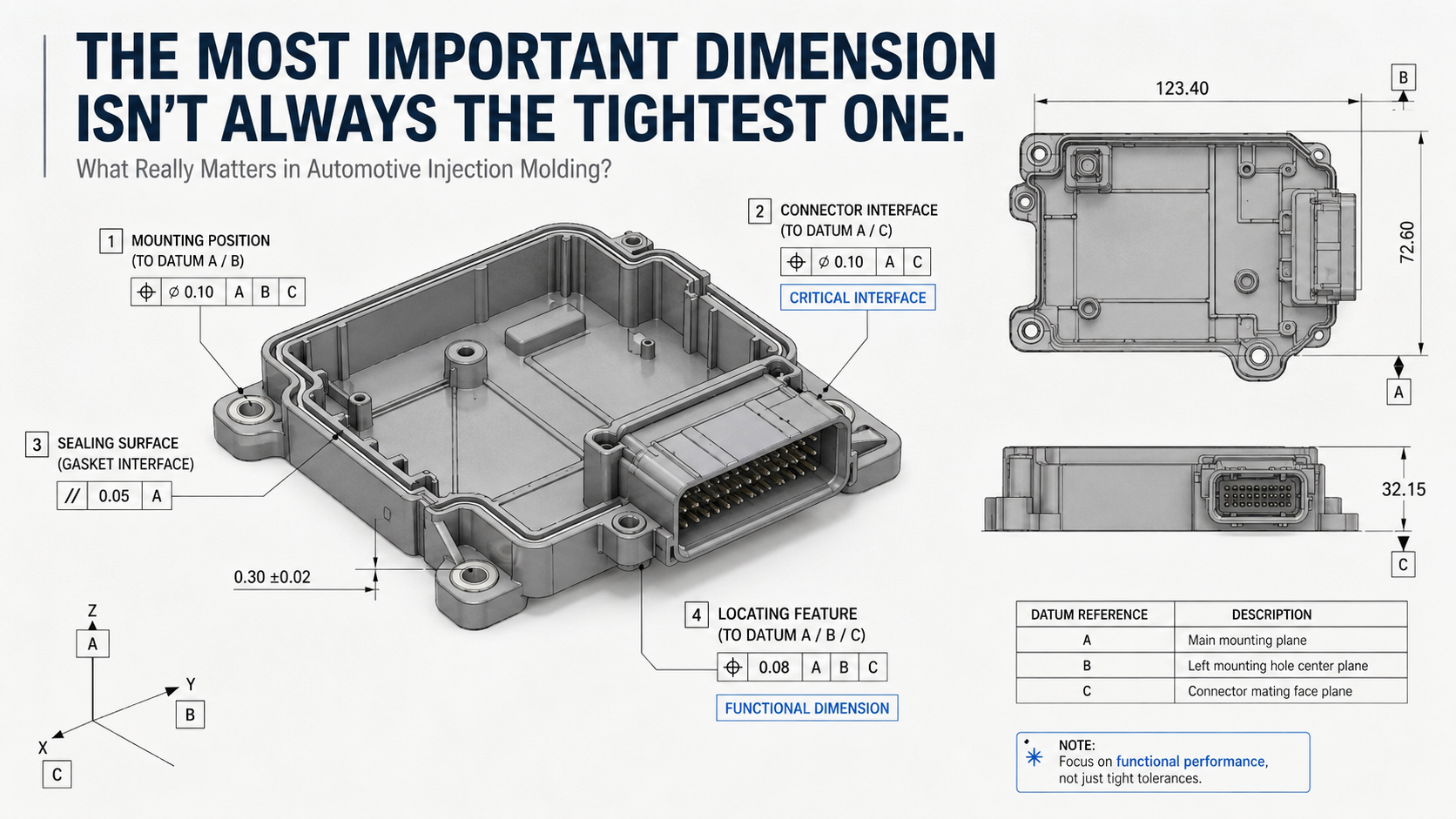
The Most Important Dimension Is Not Always the Tightest One
Learn which dimensions matter most in automotive injection molding, from mounting holes and connector interfaces to sealing surfaces, datums and assembly features.
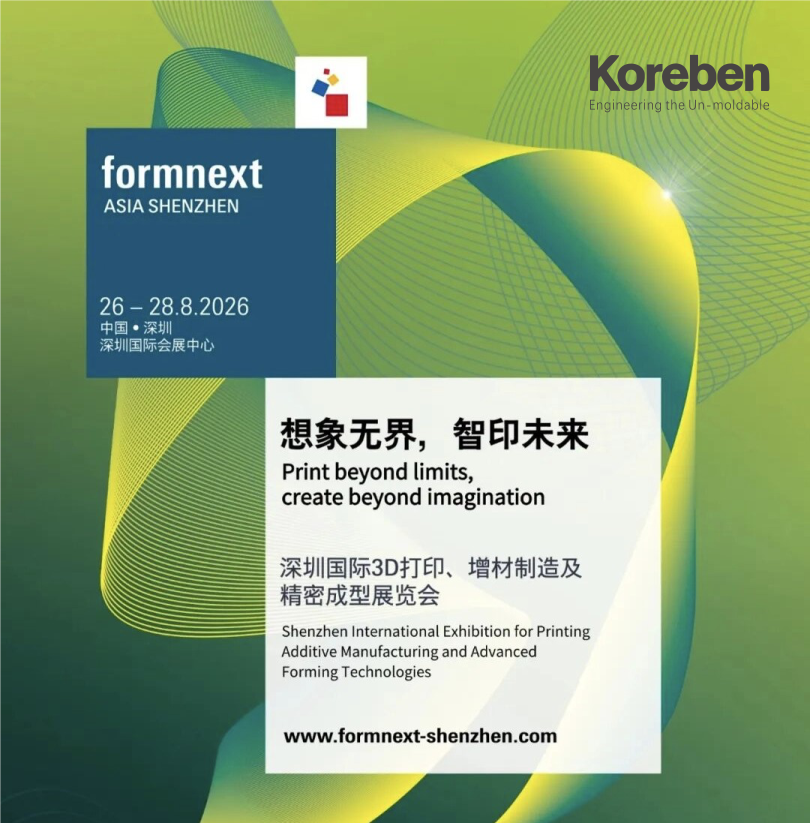
Koreben at Formnext Asia Shenzhen 2026: From 3D Printing Prototypes to Precision Mass Production
As a precision mold manufacturer and high‑volume injection molding specialist, Koreben has long supported companies in the 3D printing industry with tooling and mass‑produced components—from structural parts used in 3D printers to assemblies and filament‑handling components.
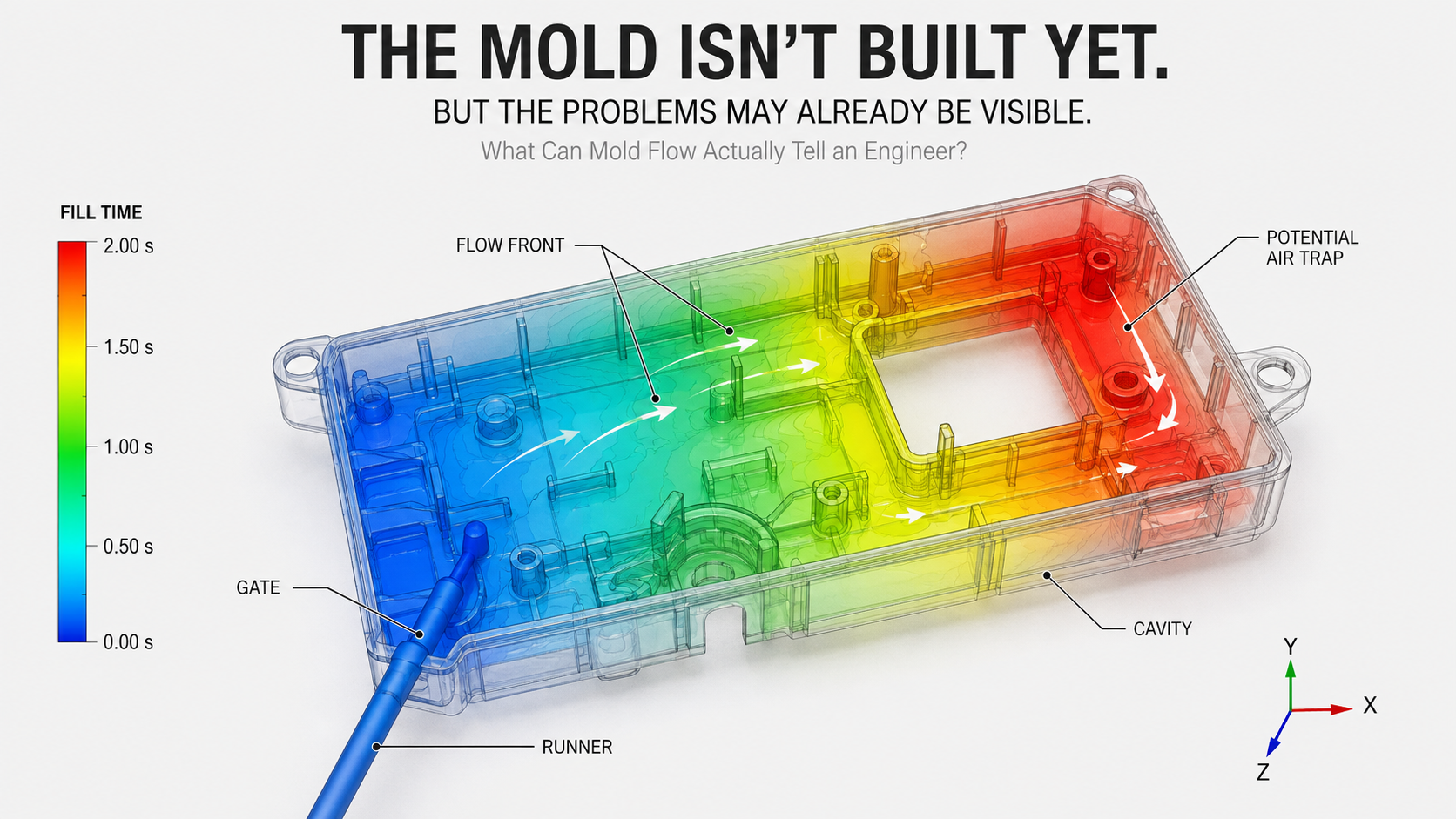
The Mold Isn’t Built Yet. But the Problems May Already Be Visible.
Learn what Mold Flow Analysis can reveal before tooling: filling pattern, injection pressure, weld lines, air traps, cooling, fiber orientation, shrinkage and warpage.
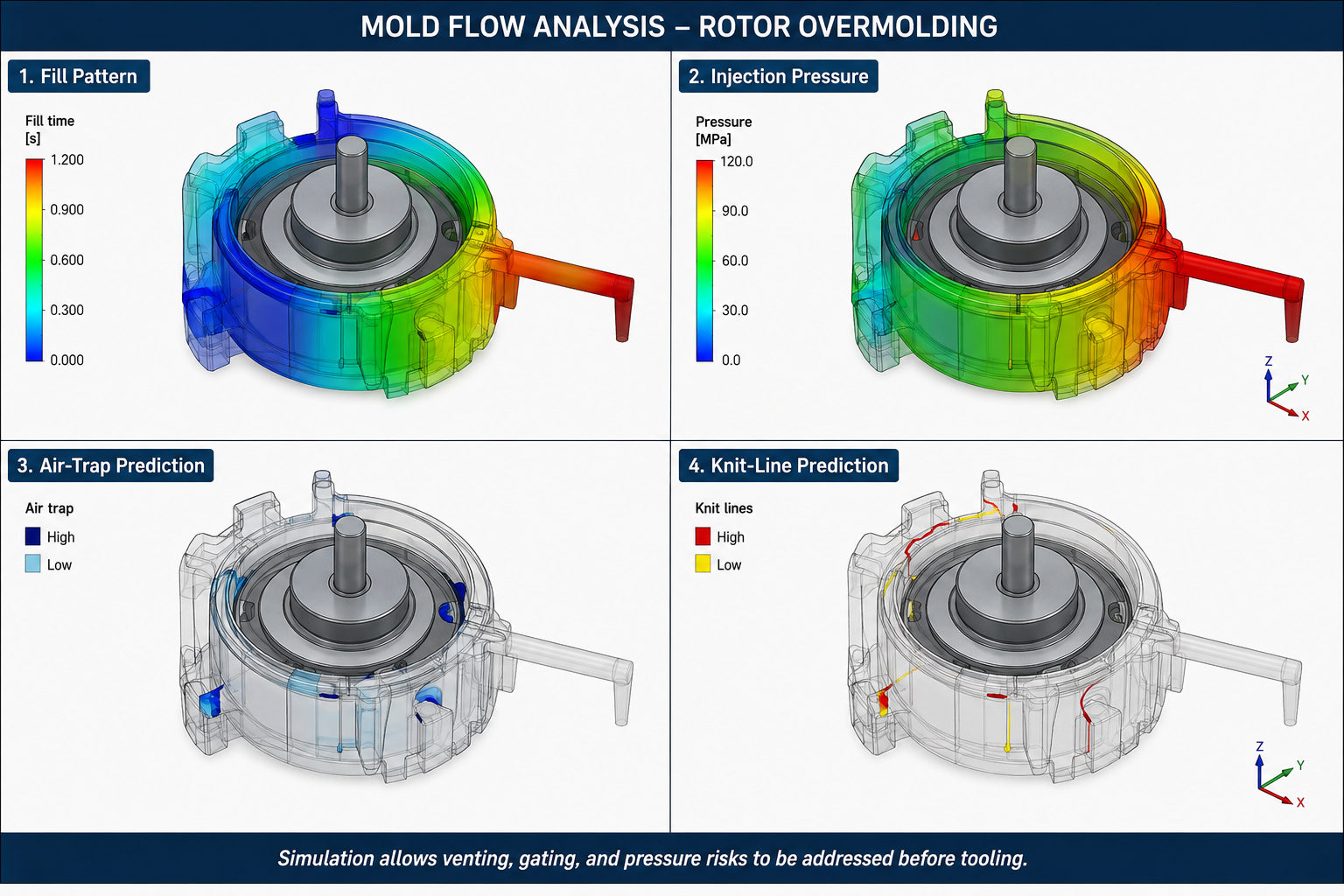
BLDC Motor Rotor Insert Molding: Venting, Pressure Control & Zero-Bubble SOP
Learn how to control BLDC motor rotor insert molding with proper venting, gate design, injection pressure, material drying, insert positioning, and a practical zero-bubble SOP.
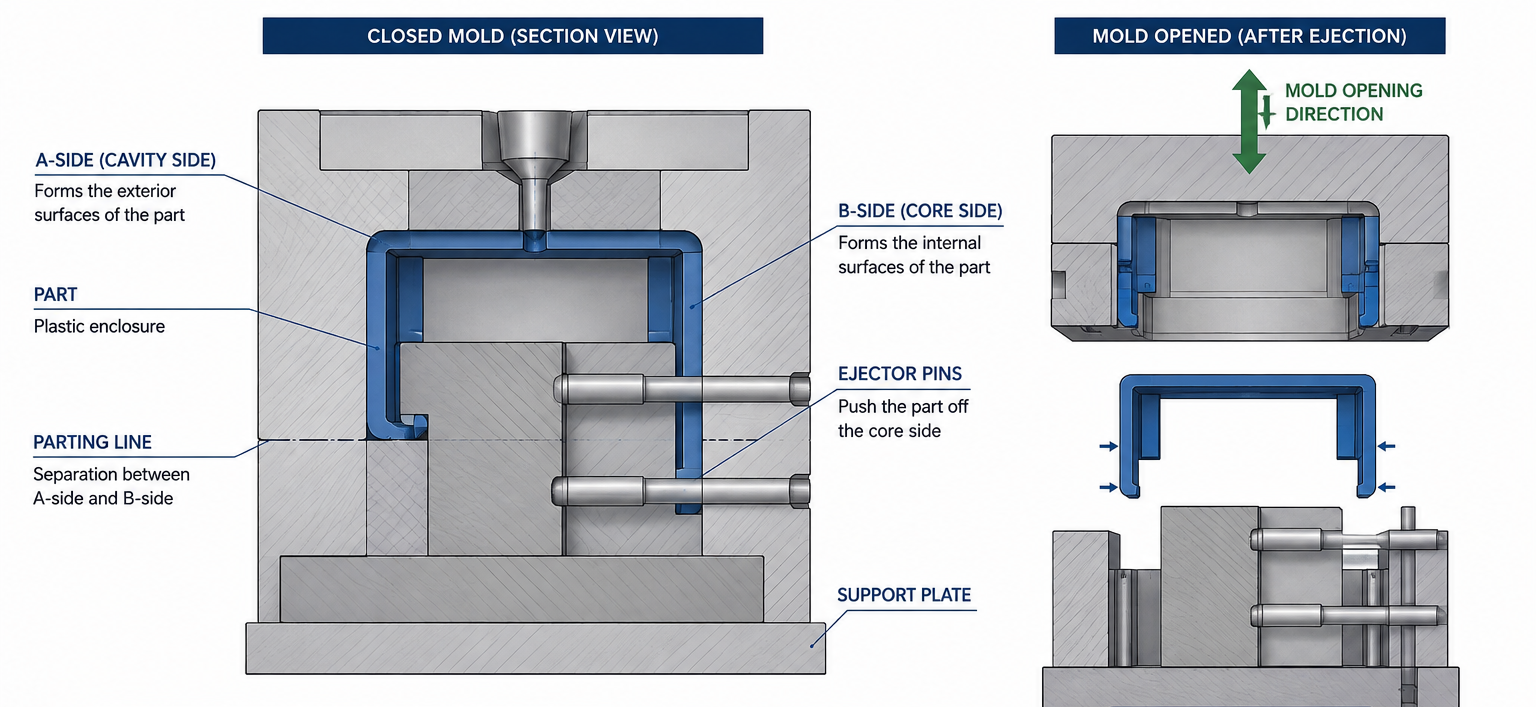
Core and Cavity Placement in Injection Molding: Designing the Mold to Control Part Release
Learn how core and cavity placement affects part retention, shrinkage, mold opening, and ejection. Practical guidelines for designing injection molded parts for reliable tooling.
Your CAD Model Looks Perfect. So Why Can’t We Build the Mold?
Why Your CAD Model Looks Fine but Is Not Moldable A CAD model can look completely finished. The geometry is clean. The surfaces are continuous. The assembly works. The product looks exactly the way the designer intended. Then the tooling engineer opens the file and starts asking questions: Where is the parting line? How will
A Medical Plastic Part Can Be Dimensionally Perfect and Still Fail.
Why is dimensional accuracy not enough for medical plastic components? Explore material, surface quality, flash, weld lines, cleanliness, validation and process consistency.
Most NPD Problems Start Before the First Tool Is Built
The 10 Engineering Decisions That Can Make or Break an NPD Project A new product development project often looks straightforward on paper: Concept → CAD → Prototype → Tooling → Validation → Mass Production But in real manufacturing, problems rarely follow such a neat sequence. A dimensional problem discovered during T1 may have started with
Same Part. Different Plastic. Completely Different Mold.
Why Different Plastics Require Different Mold Strategies Imagine an automotive electronic housing. The geometry is fixed. The dimensions are fixed. The assembly requirements are fixed. Now change only the material. For example, replace PC/ABS with PA66 GF30. The part still looks the same on the CAD screen. But from a mold engineer’s perspective, the project
The Most Important Dimension Is Not Always the Tightest One
Learn which dimensions matter most in automotive injection molding, from mounting holes and connector interfaces to sealing surfaces, datums and assembly features.
Koreben at Formnext Asia Shenzhen 2026: From 3D Printing Prototypes to Precision Mass Production
As a precision mold manufacturer and high‑volume injection molding specialist, Koreben has long supported companies in the 3D printing industry with tooling and mass‑produced components—from structural parts used in 3D printers to assemblies and filament‑handling components.
The Mold Isn’t Built Yet. But the Problems May Already Be Visible.
Learn what Mold Flow Analysis can reveal before tooling: filling pattern, injection pressure, weld lines, air traps, cooling, fiber orientation, shrinkage and warpage.
BLDC Motor Rotor Insert Molding: Venting, Pressure Control & Zero-Bubble SOP
Learn how to control BLDC motor rotor insert molding with proper venting, gate design, injection pressure, material drying, insert positioning, and a practical zero-bubble SOP.