
Engineering & NPD
Injection Molding Tooling

Your CAD Model Looks Perfect. So Why Can’t We Build the Mold?

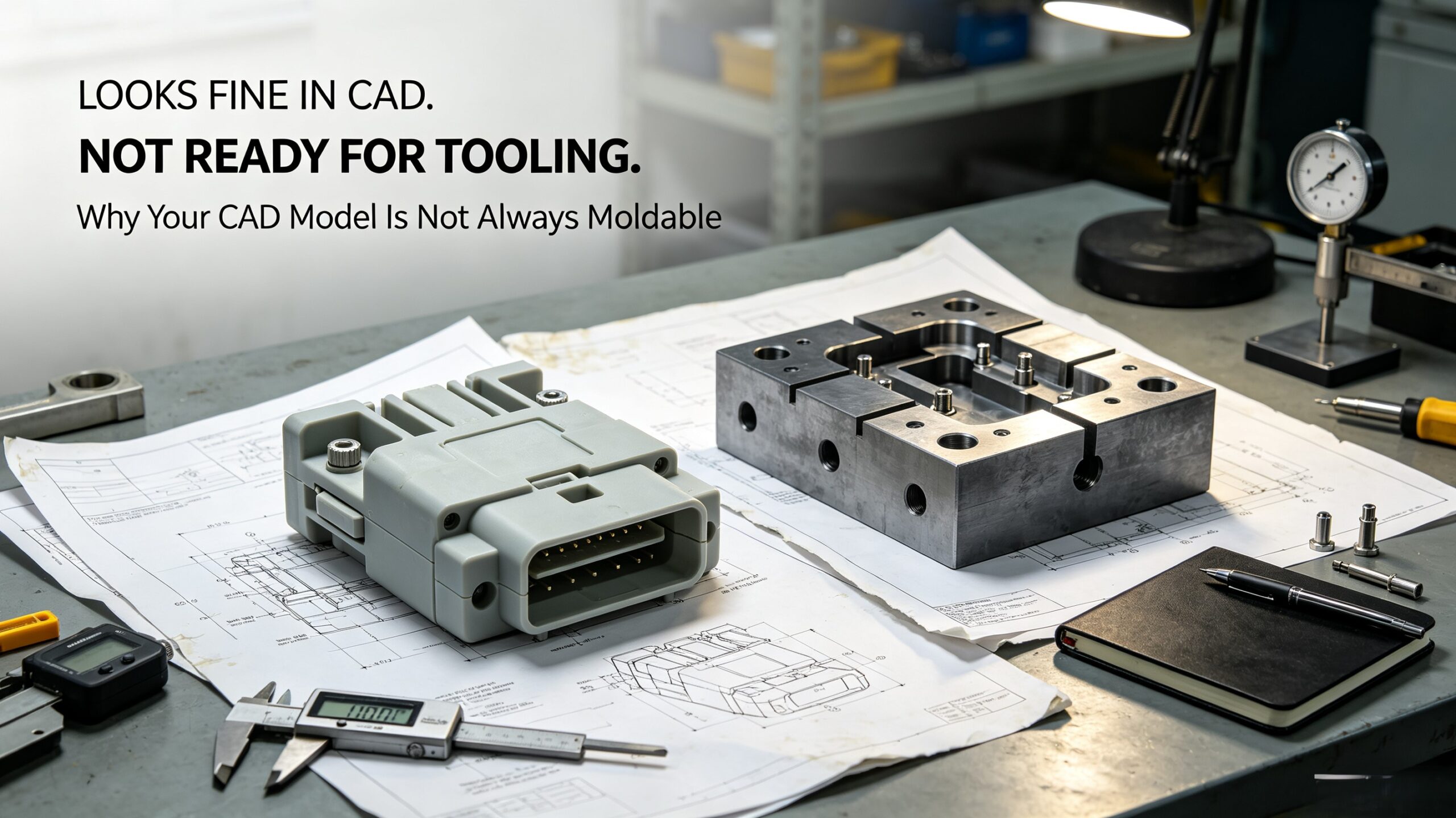
Why Your CAD Model Looks Fine but Is Not Moldable A CAD model can look completely finished. The geometry is clean. The surfaces are continuous. The assembly works. The product looks exactly the way the designer intended. Then the tooling engineer opens the file and starts asking questions: Where is the parting line? How will
Read More »
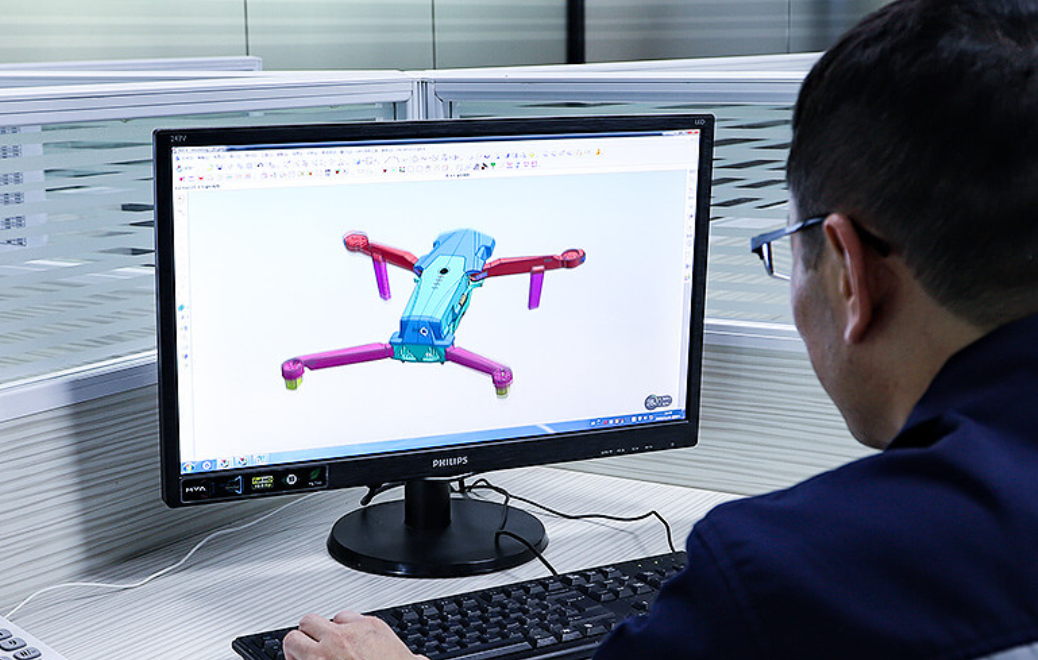
A real engineering design review: product CAD on a large monitor with engineers reviewing functional requirements, interfaces, and component geometry.

Most NPD Problems Start Before the First Tool Is Built

The 10 Engineering Decisions That Can Make or Break an NPD Project A new product development project often looks straightforward on paper: Concept → CAD → Prototype → Tooling → Validation → Mass Production But in real manufacturing, problems rarely follow such a neat sequence. A dimensional problem discovered during T1 may have started with

Read More »

Designing Living Hinges That Fold Flat and Last

A living hinge may be one of the simplest-looking features in plastic part design. It contains: Just a thin section of plastic connecting two rigid bodies. Yet despite its simplicity, the living hinge is one of the most frequently misdesigned features in injection molding. Many hinge failures occur long before the product reaches the customer.

Read More »

Crush Ribs: Solving Tolerance Problems Without Tight Tolerances

One of the most common challenges in plastic product design is creating a reliable press fit. Consider a typical assembly: At first glance, the solution appears straightforward: Design the mating dimensions with a tight tolerance and create an interference fit. In practice, however, injection molding does not always favor this approach. Shrinkage variation, molding tolerances,

Read More »

Design Parts That Are Easy to Change After the Mold Is Built

Every product team expects design changes during development. That is the purpose of prototyping. Engineers evaluate: And then make improvements. The problem is that not all design changes are equal. Some modifications can be completed by machining existing mold steel. Others require replacing inserts, rebuilding mold components, or manufacturing an entirely new tool. From a

Read More »

Get in touch